
Commercial Solar Energy Breakdown
💼 Commercial Solar Energy Platform: System Types, Market Share & Strategic Insights
As companies increasingly pursue sustainable operations and long-term cost savings, commercial solar energy has emerged as a critical asset in corporate energy strategies. To guide informed decision-making, this platform overview outlines the key system types within the commercial solar market — along with their relative adoption rates and strategic benefits.
This data-driven summary helps stakeholders assess optimal solar configurations based on available space, operational priorities, and financial objectives.
Commercial solar energy systems vary based on available space, energy demand, and financing models. Below is a breakdown of how the commercial solar market typically allocating different system types, with estimated percentage shares based on U.S. market trends (2023–2024 data):
⚡
Commercial Solar Energy by System Type (% Share)
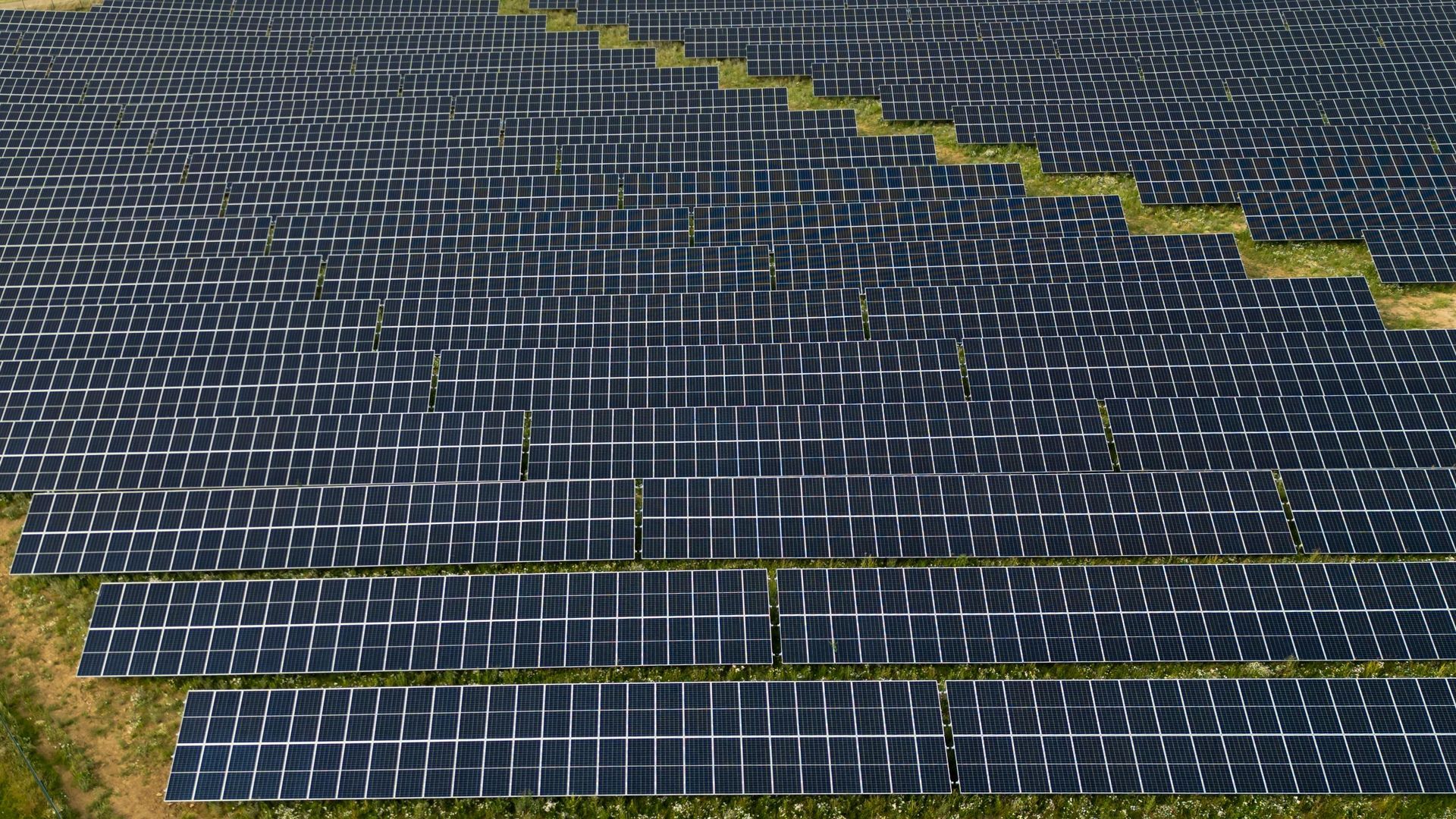
🌎 Ground-Mount Systems – 35–40%
Large-scale solar arrays installed on available land near commercial facilities.
- Ideal For: Industrial campuses, distribution centers, agricultural businesses
- Benefits:
- High energy output
- Customizable for optimal sun exposure
- Scalable for future expansion
🏢 Rooftop Mount Systems – 30–35%
Solar panels mounted directly on commercial or institutional rooftops.
- Ideal For: Offices, retail centers, schools, hospitals
- Benefits:
- Utilizes existing infrastructure
- Lowers electricity bills with quick ROI
- Minimal disruption during installation
🚗 Solar Carports & Canopies – 10–15%
Solar panels installed above parking lots, turning space into energy assets.
- Ideal For: Business parks, campuses, commercial complexes
- Benefits:
- Adds shade and weather protection
- Enhances sustainability branding
- Dual-function use of property
🔋 Energy Storage Integration – 10–12%
Battery systems paired with solar for smarter energy use and backup power.
- Ideal For: Facilities with high energy use, time-of-use rates, or critical operations
- Benefits:
- Reduces peak demand charges
- Provides energy resilience during outages
- Supports grid independence
🤝 Community Solar & Solar Landscapes – 5–8%
Off-site solar farms shared by multiple commercial subscribers.
- Ideal For: Businesses without suitable roofs or land (e.g., tenants, high-rises)
- Benefits:
- No on-site installation required
- Flexible and scalable participation
- Cost-effective pathway to clean energy